


1
2
3
4
5
6
7
8
9
10
11
12
13
14
15
16

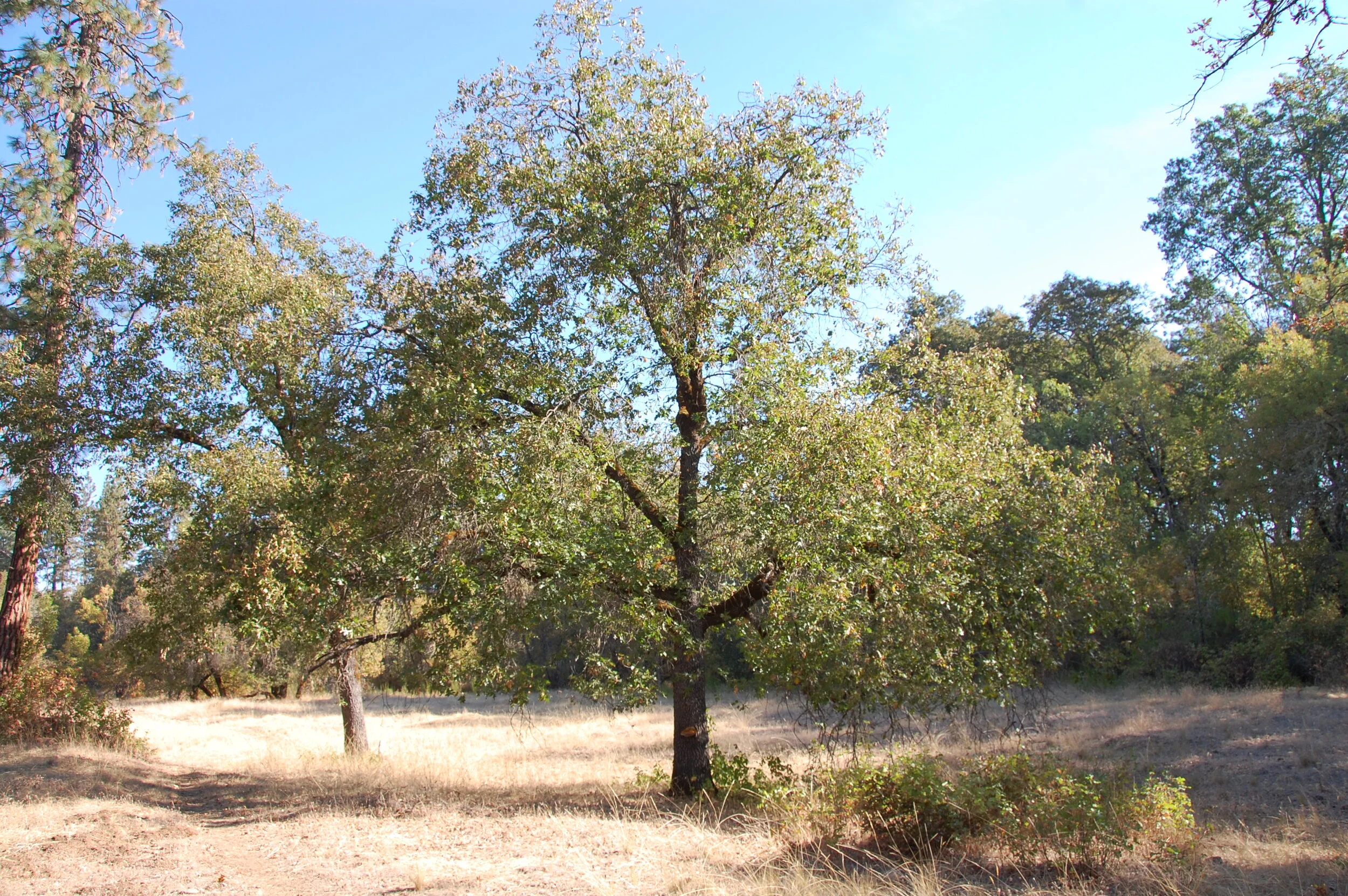
Oregon White Oak
Oregon white oak trees can look very different depending on how much space and sunlight they have: they can have huge branching trunks with wide crowns, or they can be small, slender trees. They grow slowly, and they can live up to 500 years, but they rely on occasional low-intensity fires to keep other plants from competing with them. These oak trees provide food and habitat for many animals, including squirrels, birds, deer and elk, and butterflies. Acorns are also an important traditional food source for the Takelma and Latgawa people.
Photo by Tara Laidlaw
Acorn Woodpecker
Acorn Woodpeckers are known for drilling hundreds or even thousands of holes into individual trees, and then harvesting acorns directly from oak trees and storing one acorn in each hole. The acorns fit so tightly that other animals can't get them out! Even though they work so hard to store all those acorns, these woodpeckers also eat insects, tree sap, and other seeds and nuts.
Photo by Johnath, CC BY-SA 3.0
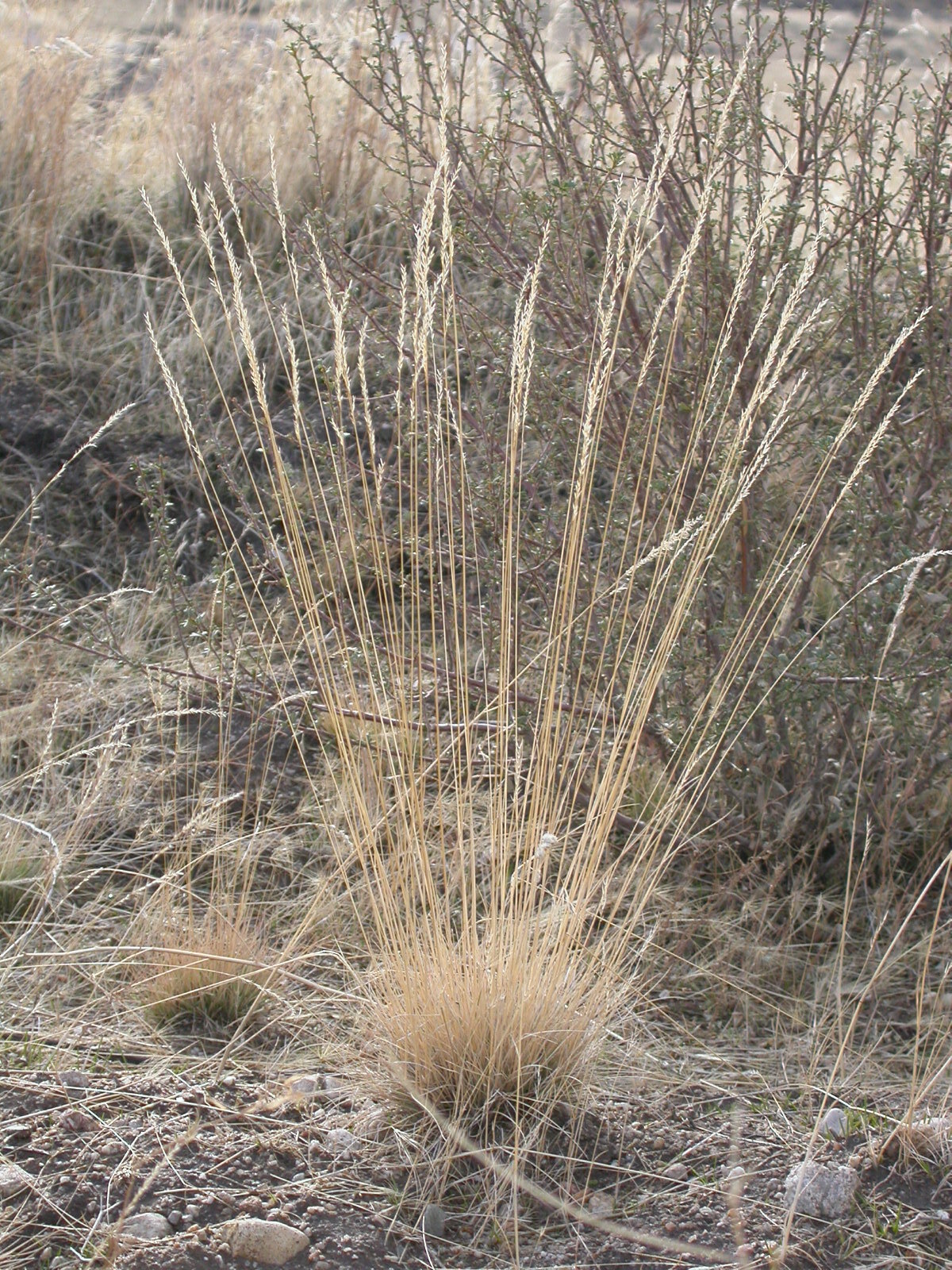
Roemer's Fescue
Roemer's fescue is a perennial bunchgrass, which means that a whole clump of grass stems share one root system and can continue to grow for many years. At the Preserve, Roemer's fescue grows primarily under white oak trees, where it provides food and habitat for a wide range of birds, bees, and mammals.
Photo by Matt Lavin, CC BY-SA 2.0
Roosevelt Elk
A herd of Roosevelt elk spends time at the Rogue River Preserve each winter. They browse on plants like buckbrush and Roemer's fescue, and they also eat lichens, acorns, and fungus. When one of these huge animals dies, its body provides food for a wide range of organisms, from large scavengers like Bald Eagles down to tiny beetles. Decomposers eventually turn the animal's body back into nutrient-rich soil.
Photo by Pete Bedell
Camas Lily
The underground bulbs of camas lily plants are a major traditional food source for the Latgawa and Takelma people, who have lived in this region since time immemorial. Camas lilies grow best when they are regularly dug up, spread out, and replanted. Underground mammals like voles and some larger animals like bears help spread the bulbs around as they dig and eat, but humans cultivate them (grow them for food) on purpose. The flowers also provide nectar to insects like butterflies, and elk and deer eat the lilies’ leaves.
Photo by Teresa Fernandez
Common Kingsnake
Despite their name, common kingsnakes are not very common. They prefer to live on the edges between habitats, so that they can take cover in brush piles and under logs in forested areas, but hunt in open meadows (for prey like other snakes and small mammals) and wetter riparian zones (for prey like turtle eggs and amphibians).
Photo by Peter Kleinhenz
Poison-oak
Poison-oak causes an allergic reaction in many humans, but it is a very important food plant for birds, who eat the white berries throughout the winter when other foods are scarce, and deer can eat its leaves. Poison-oak can grow as a low shrub or a tall climbing vine, but it always has clusters of three shiny leaflets, and it has no hair or spines on the stem.
Photo by Tara Laidlaw
Lewis's Woodpecker
Unlike other woodpeckers, Lewis's Woodpeckers don't use their beaks to drill into wood in search of insects to eat. Instead, they pick their prey off of the outside of branches, or they catch the insects in mid-air. These birds nest in holes made by other woodpecker species, usually in snags. They also store acorns and other nuts in cavities in cottonwood trees.
Photo from naturepicsonline.com, CC BY-SA 3.0
Western Gray Squirrel
Western gray squirrels eat a wide range of foods, including berries, fungus, and insects. However, their preferred food is acorns and other nuts, which they store in underground caches (hiding places). The squirrels can usually find where they hid their acorns, but when they forget, those acorns have all the conditions a seed needs in order to sprout and grow.
Photo by FishDemon, CC BY 3.0
Buckbrush
Buckbrush is a flowering shrub that can grow up to 12 feet tall, but at the Preserve deer and elk eat its leaves and stems so often that it is generally much shorter. This shrub also provides habitat for birds like the Blue-Gray Gnatcatcher, and for small mammals like black-tailed jackrabbits. Buckbrush spreads its seeds by exploding them away from the plant, seeds can stay underground for years, waiting for the heat from a low-intensity fire to prepare the seeds for sprouting.
Photo by Tara Laidlaw
Propertius Duskywing Butterfly
These butterflies lay their eggs in rolled-leaf nests on only one kind of tree: Oregon white oak. As caterpillars, these insects eat the oak leaves nearby to their nest. After they go through metamorphosis and become butterflies, they feed on nectar from a wide variety of meadow flowers, including camas lily.
Photo by S. Rae, CC BY 2.0
California Quail
California Quail spend most of their time on the ground, but they can fly to escape predators. These birds mostly forage for seeds, but they also eat things like poison-oak berries, acorns, and (occasionally) caterpillars, beetles, and snails. California Quail even make their nests on the ground, hiding them at the base of shrubs like buckbrush or in grasses like Roemer's fescue.
Photo by Gary Kramer, USFWS
Black Tailed Jackrabbit
Black-tailed jackrabbits live in areas with high plant diversity, but in more open areas. These herbivores eat a wide range of plants, including shrubs, grasses, forbs (flowering plants), and small trees, and they nest under buckbrush and other shrubs in shallow, simple nests. Jackrabbits are preyed on by birds like Great Horned Owls and Bald Eagles, and by mammals like coyotes and mountain lions.
Photo from Pixabay
Black-Tailed Deer
Black-tailed deer prefer to live on the edges between ecosystems. They take cover in the dense forests at night, and they generally find their food in the more open oak woodland mosaic. These deer graze on grasses like Roemer's fescue, they browse on shrubs like buckbrush and poison-oak, and they eat tougher foods like lichen and pine needles when more tender plants are not available.
Photo by California Department of Fish and Wildlife, CC BY 2.0
Western Meadowlark
Like their name suggests, Western Meadowlarks live in open meadows, avoiding forests and even tall shrubs. They nest in small dips in the ground that are protected by grasses or small shrubs, often using nearby plants to make a waterproof dome over the nest. Western Meadowlarks forage on open ground or in areas with light plant cover, using their beaks to search in the soil for seeds and insects.
Photo by Kevin Cole, CC BY 2.0
Lichen
More than 100 different species of lichen live on Oregon white oak trees. Lichens grow in three main forms – crusty, leafy, and shrubby – but all lichen species are created by a symbiotic relationship between fungus and algae working together to survive. Birds and squirrels use lichen as nesting material, and lichen provides habitat for insects living on the trees' trunks and branches.
Photo by Tara Laidlaw
Enjoy the crisp autumn weather with a breathtaking visit to the Rogue River Preserve! Come and explore the trails at your own pace, attend a guided hike, or enjoy a picnic lunch by the river.
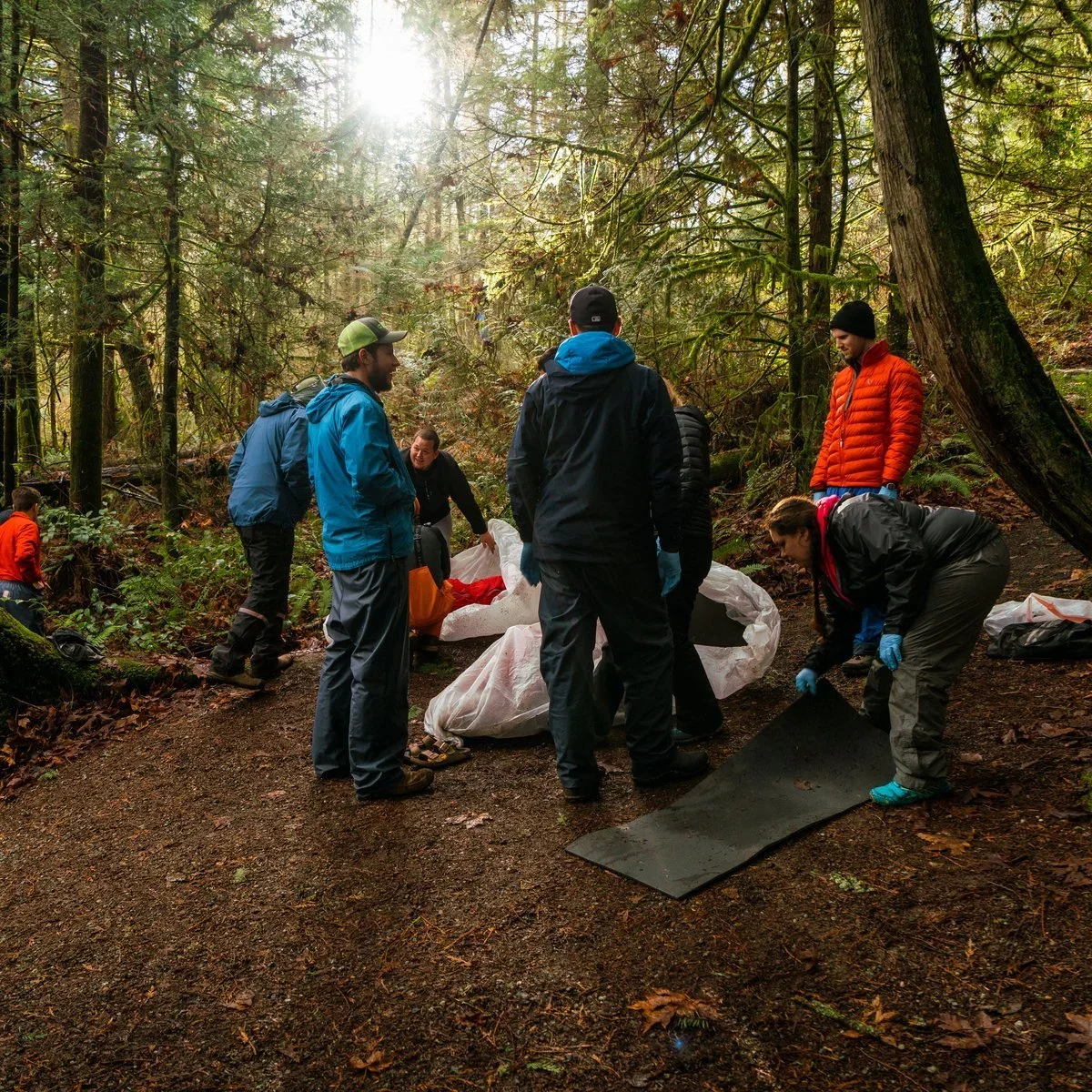
Join SOLC and Selberg Institute for a NOLS Wilderness First Aid Course! Prepare for the unexpected with this engaging, hands-on introduction to wilderness medicine, taught over two days.
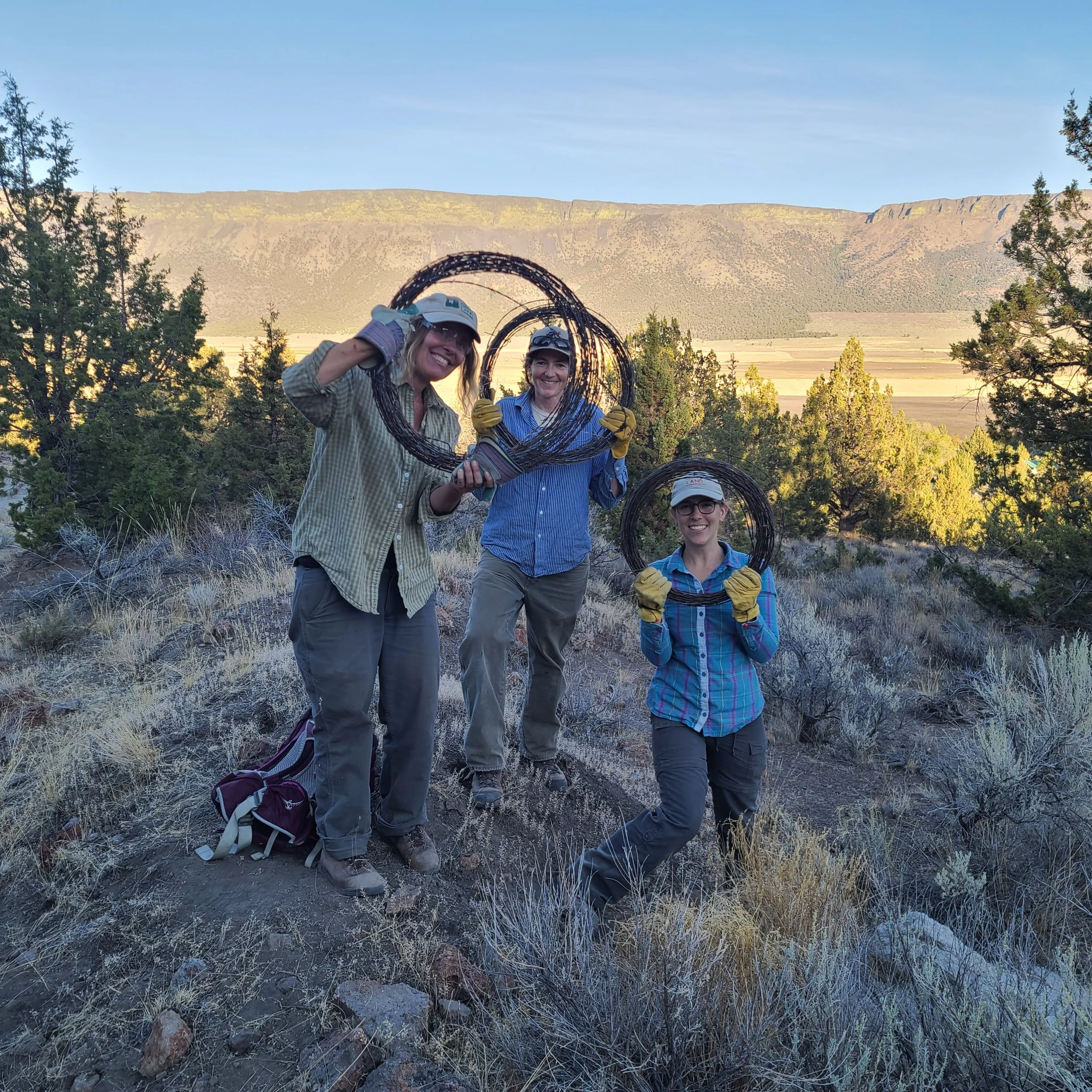
Join us for an autumn work party at the Whetstone Savanna Preserve!
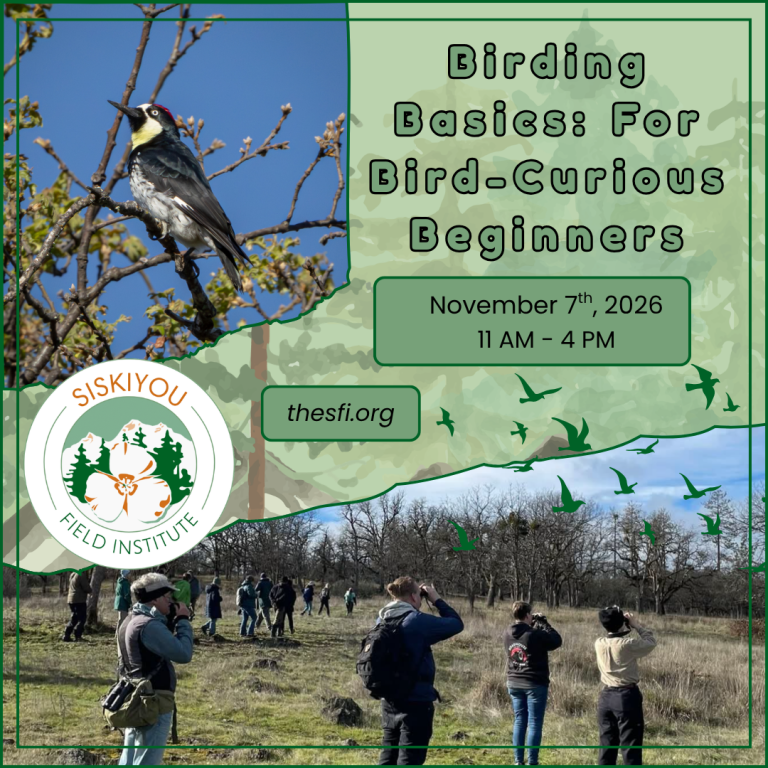
Discover the birds of the Klamath-Siskiyou with Myco, Education and Engagement Specialist at Southern Oregon Land Conservancy. This beginner-friendly course introduces the basics of bird identification through bird songs, mnemonics, and field observation. After a short indoor presentation, we’ll explore the SFI campus on a gentle 1–3 mile walk, practicing birding skills while contributing sightings to eBird, a global community science project. Whether you’re brand new to birding or looking to sharpen your skills, this course will help you grow your curiosity and connect with the avian world around you.
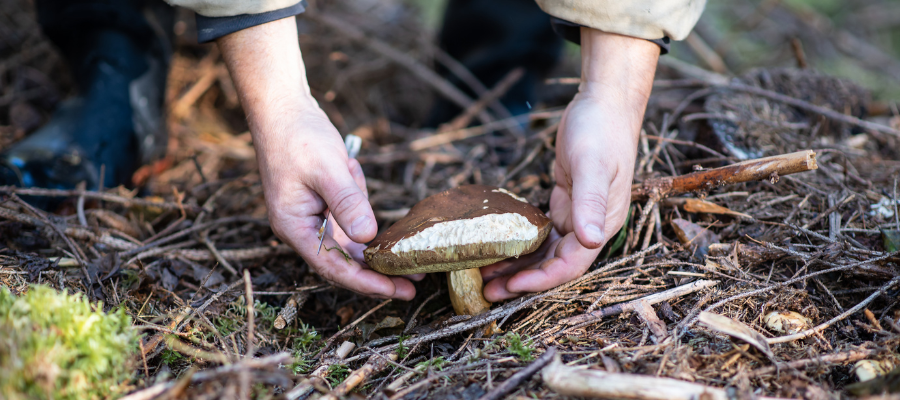
Join SOLC Land Steward, Wyatt Stein, for a mushroom hike in Ashland!

Nature Talks on YouTube
Enjoy recordings of our past Nature Talks. Each event has multiple presenters. From our local national trails, to new SOLC conserved lands, to special species, to tracking animals in the snow - you’ll gain knowledge to impress all your friends.
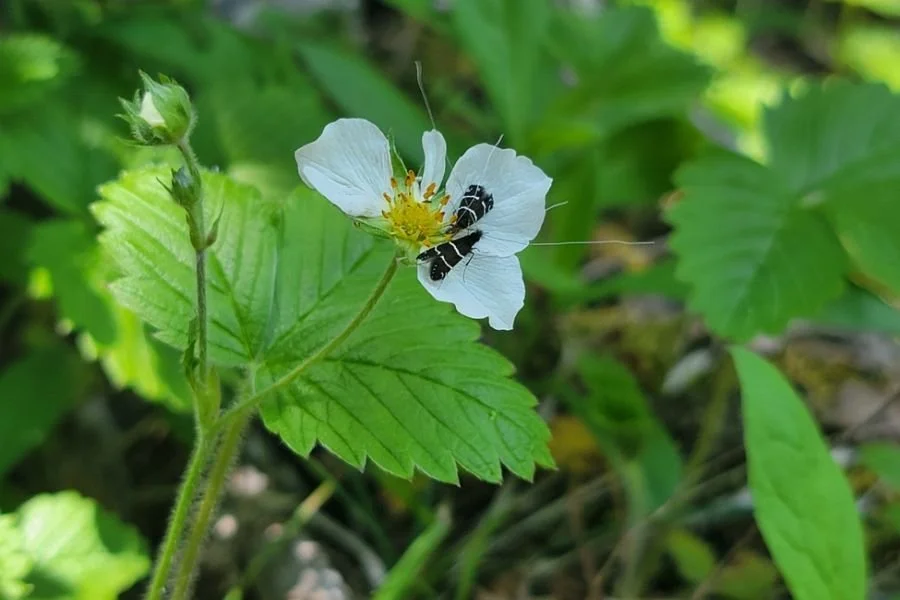
As it is in our nature to protect all fairies, it is no surprise to discover Fairy Longhorn Moths canoodling on an alpine strawberry flower at Sharon Fen Preserve. Fairy Longhorn Moths are micromoths in the order Lepidoptera and the family Adelidae. Known for their VERY long thread-like antennae, which shimmer brightly in the sun.
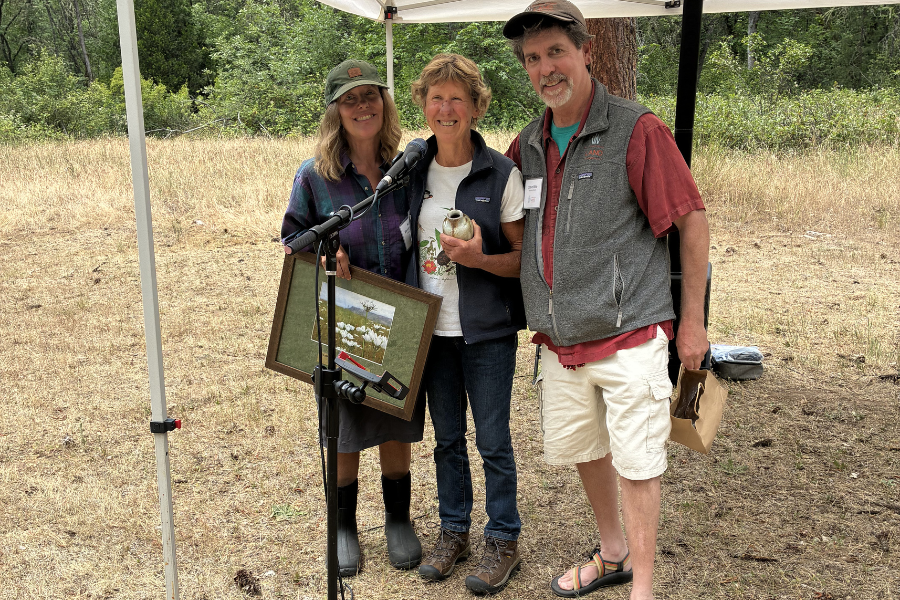
We were honored to present the 2026 SOLC Conservation Award to long-time regional leader and SOLC Board Vice Chair Molly Morison at our Annual Picnic at Rogue River Preserve on Saturday, June 6th.
Sign up for our digital mailing list to receive our monthly eNews, stay informed about conservation developments at SOLC, and to be notified about important dates and events.
84 Fourth Street (office)
PO Box 954
Ashland, OR 97520
info@landconserve.org
541.482.3069