Habitat

How To Eat A Bug

How To Eat A Bug

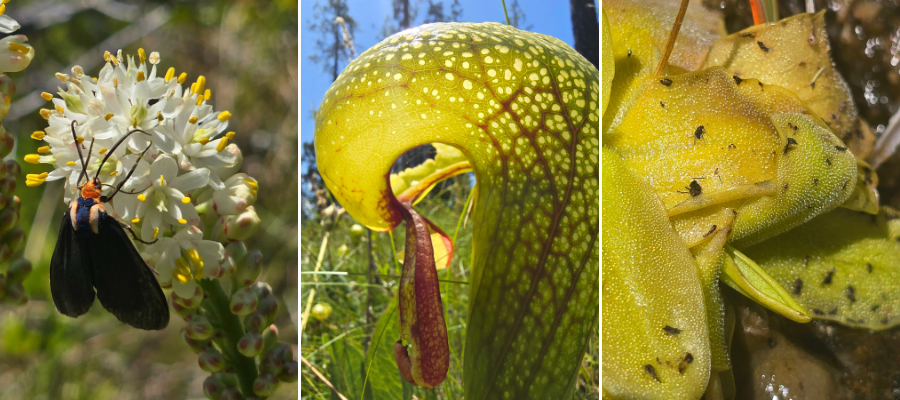
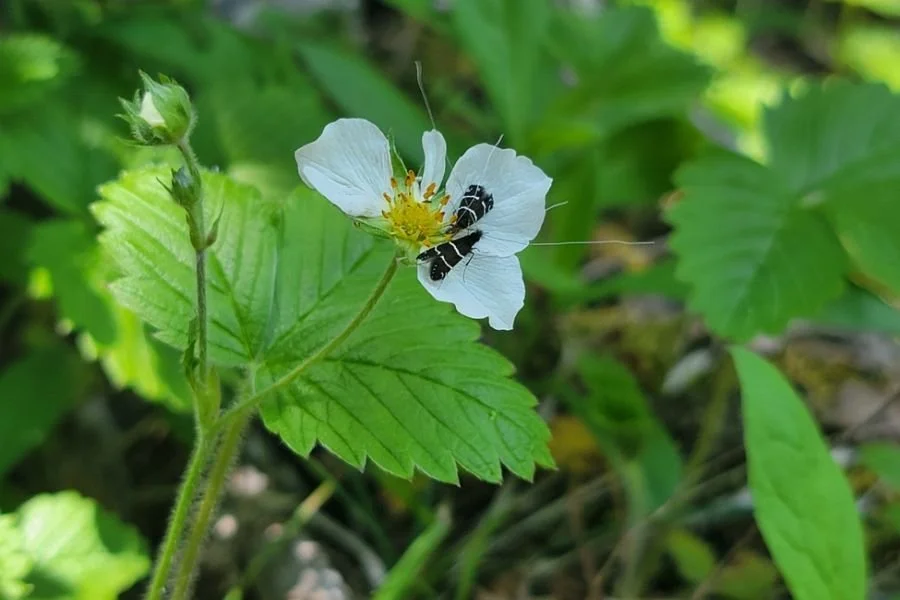
Sticky tofieldia or western false-asphodel, Triantha occidentalis

You are not in this for recognition or stardom, you just need to supplement your diet of eating sunlight and gathering nutrients because the soils on Eight Dollar Mountain are a bit like human junk food, low in plant nutrients and high in toxic metals. Everyone needs to eat, yet you are sessile and embedded in soggy wetland soils. For eons, you have been digesting bugs, but only in 2021, did human scientists discover your clever ways. Sticky flower stems do the trick, very sticky bug-trapping stems. Tiny hairs on your stem release phosphatase, an enzyme, allowing you to digest very small protein and phosphorus-rich snacks like fruit flies while avoiding eating your larger pollinator buddies who are stronger and can avoid getting stuck.

Healing Ecological Wounds – Reintroducing Good Fire

Healing Ecological Wounds – Reintroducing Good Fire

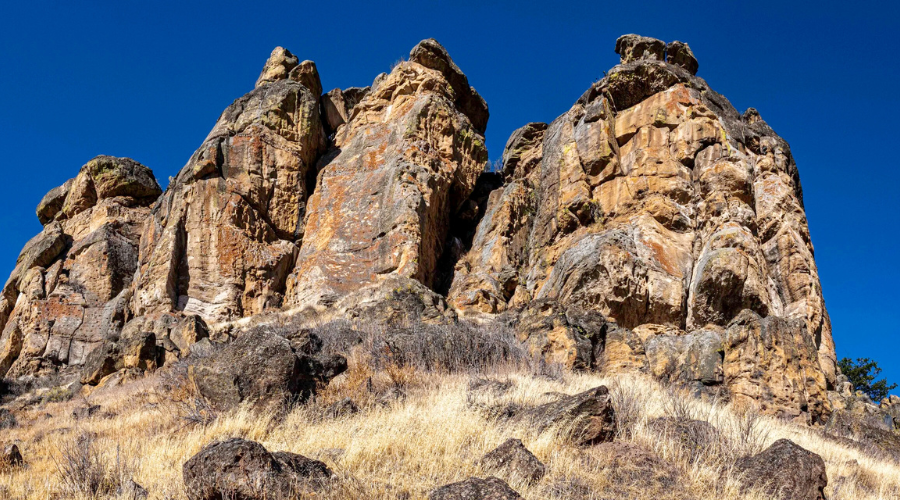
Finally, after a century of fire suppression, finally, a healing 32-acre managed grassland burn returned to the Rogue River Preserve on October 18, 2025. But it took some perseverance to make it happen. We are tremendously grateful for the professional crew from Grayback Forestry Inc. who conducted the burn and for all the preserve’s neighbors who provided input.

Cobra-Lily Springs: Rare Habitats Now Protected

Cobra-Lily Springs:  Rare Habitats Now Protected

On our first visit to Eight Dollar Mountain near Cave Junction, we were greeted by the red brilliance of blooming Vollmer’s lily, the strange beauty of carnivorous cobra-lilies, and the flash of dragonflies and butterflies. From this colorful wetland, the view stretched south to the sparkling Illinois River. Now, this remarkable 71-acre site is permanently protected as Southern Oregon Land Conservancy’s newest preserve: Cobra-lily Springs.

Madrona

Madrona

Stand in a clump of Pacific madrone (Arbutus menziesii) or madrona trees during a winter storm, the trunks wet and luscious, creamy green and burnished red, and feast on the beauty. Children pull off the beckoning curly bark strips and stroke the underlying pale green bark, smooth and soothing. Mature trees can support many bark colors and textures: the older rough brown-gray squares, dark weathered curlicues, strips of fresh reds, and the young apple-green bark.  Every summer, madrone trees shed older bark, sloughing off flecks, and puzzle pieces, decorating the forest floor.